
Contents
Overview
Telemedicine represents the delivery of healthcare services remotely, leveraging telecommunications and information technology to connect patients with medical professionals. This practice encompasses a wide array of applications, from virtual consultations and remote patient monitoring to the transmission of medical data for diagnosis and treatment planning. Its roots trace back to early experiments in using technology for healthcare access, but it has seen exponential growth, particularly with advancements in internet connectivity and digital health tools. Telemedicine is not merely a technological solution but a fundamental shift in healthcare delivery, aiming to improve accessibility, reduce costs, and enhance patient outcomes, especially for those in remote areas or with mobility challenges. The COVID-19 pandemic significantly accelerated its adoption, making it a critical component of modern healthcare systems worldwide.
🎵 Origins & History
The concept of delivering healthcare across distances predates modern technology, with early experiments in the late 19th and early 20th centuries exploring the use of telegraphy and radio for medical communication. The U.S. military pioneered early forms during World War II, using radio to provide medical advice to remote outposts. A significant milestone was the development of the Telpak system, which transmitted medical images between hospitals. The National Aeronautics and Space Administration (NASA) also played a role, developing systems to monitor astronaut health remotely, which later found terrestrial applications.
⚙️ How It Works
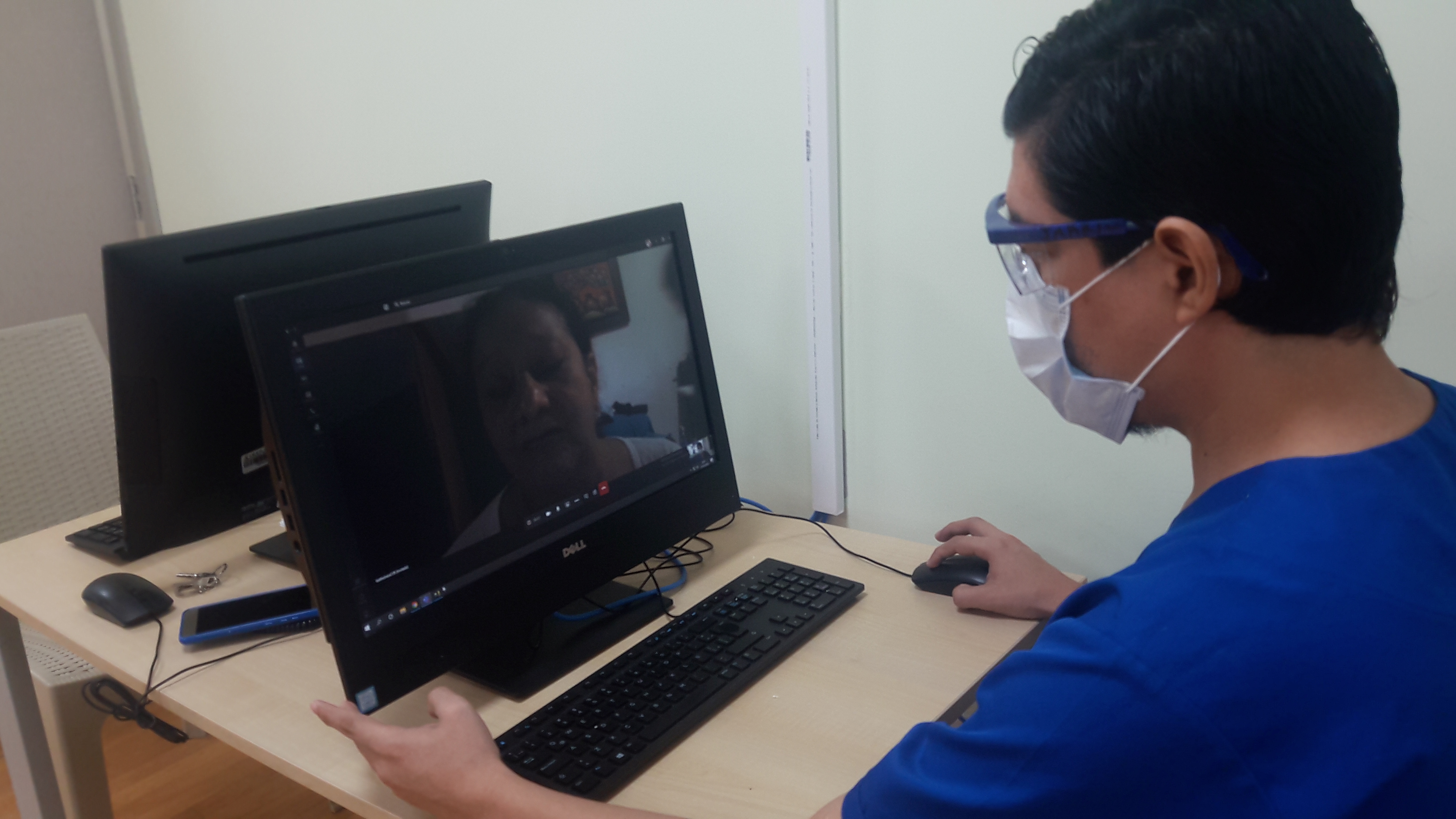
At its core, telemedicine functions by establishing a secure digital connection between a patient and a healthcare provider. This typically involves a video conferencing platform, allowing for real-time visual and auditory interaction, much like an in-person visit. Beyond live consultations, telemedicine utilizes various technologies: remote patient monitoring devices (like wearable devices that track vital signs), secure messaging portals for asynchronous communication, and electronic health records (EHRs) for seamless data sharing. Store-and-forward telemedicine allows medical information, such as X-rays or dermatological images, to be sent to a specialist for later review. The underlying infrastructure relies on robust internet connectivity and specialized software designed for HIPAA compliance and data security, ensuring patient privacy is maintained throughout the process.
📊 Key Facts & Numbers
The global telemedicine market is experiencing explosive growth. The COVID-19 pandemic significantly accelerated its adoption. Telemedicine has fostered a culture of convenience in healthcare access. Telemedicine has particularly impacted rural communities. The proliferation of telemedicine has spurred innovation in medical device manufacturing.
👥 Key People & Organizations
Several key figures and organizations have shaped the landscape of telemedicine. The American Telemedicine Association (ATA) has been a leading force in advocating for policies and standards that support telemedicine, working with organizations like the Federation of State Medical Boards to define best practices. Major technology companies such as Teladoc Health and Amwell have emerged as leaders in providing telemedicine platforms and services, facilitating millions of virtual consultations. The World Health Organization (WHO) also plays a role in promoting telehealth as a tool for global health equity.
🌍 Cultural Impact & Influence
Telemedicine's influence extends far beyond clinical practice, reshaping patient expectations and the very structure of healthcare delivery. It has fostered a culture of convenience, allowing individuals to access medical advice without the need for travel or time off work, thereby democratizing healthcare access. This shift has particularly impacted rural communities, where access to specialists can be limited, and individuals with chronic conditions who benefit from continuous remote monitoring. The proliferation of telemedicine has also spurred innovation in related fields, from medical device manufacturing to health informatics and cybersecurity for healthcare data. Its integration into mainstream media, often depicted in fictional portrayals of futuristic healthcare, has further normalized its presence in the public consciousness.
⚡ Current State & Latest Developments
The current state of telemedicine is one of rapid evolution and integration. Following the pandemic-induced surge, many regulatory bodies have made permanent or extended temporary flexibilities for telehealth reimbursement and practice across state lines, solidifying its place in healthcare. Platforms are increasingly incorporating artificial intelligence (AI) for diagnostic support, patient triage, and administrative tasks. The development of specialized telemedicine services, such as tele-dermatology, tele-psychiatry, and tele-cardiology, continues to expand. Companies are investing heavily in user experience, aiming to make virtual visits as seamless and effective as in-person encounters. The focus is shifting towards hybrid models that blend virtual and in-person care to optimize patient management and resource allocation.
🤔 Controversies & Debates
Despite its widespread adoption, telemedicine is not without its controversies and debates. Questions persist regarding the quality of care compared to in-person visits, especially for complex diagnoses or physical examinations that require hands-on assessment. The privacy and security of patient data transmitted and stored digitally remain a significant concern, with the risk of data breaches and unauthorized access. Furthermore, debates continue regarding appropriate reimbursement rates for telehealth services and the legal implications of practicing medicine across state and international borders, as highlighted by ongoing discussions within the American Medical Association.
🔮 Future Outlook & Predictions
The future of telemedicine points towards deeper integration and more sophisticated applications. Experts predict a rise in "hospital-at-home" models, where acute care is delivered remotely using advanced monitoring and virtual support, reducing hospital stays and costs. The integration of virtual reality and augmented reality may enhance remote surgical training and even assist in remote procedures. AI-powered diagnostic tools will likely become more prevalent, aiding clinicians in faster and more accurate diagnoses. We can also expect to see a greater emphasis on personalized medicine delivered through telemedicine, with tailored treatment plans based on continuous remote data collection. The ongoing development of 5G networks promises faster, more reliable connections, further enabling high-bandwidth applications like remote imaging and real-time diagnostics.
💡 Practical Applications
Telemedicine's practical applications are vast and growing. It is extensively used for routine follow-up appointments, medication management, and chronic disease monitoring, allowing patients to stay on track with their care plans from home. Mental health services have seen a significant transformation, with tele-psychiatry and tele-therapy becoming standard options, increasing access to crucial support. In specialties like dermatology, patients can submit photos of skin conditions for remote diagnosis and treatment recommendations. Remote patient monitoring is vital for individuals with conditions like heart failure or diabetes, enabling early detection of issues and preventing hospital readmissions. Furthermore, telemedicine facilitates access to specialized medical expertise for patients in underserved areas, connecting them with specialists at major medical centers.
Key Facts
- Category
- technology
- Type
- topic