
Summary
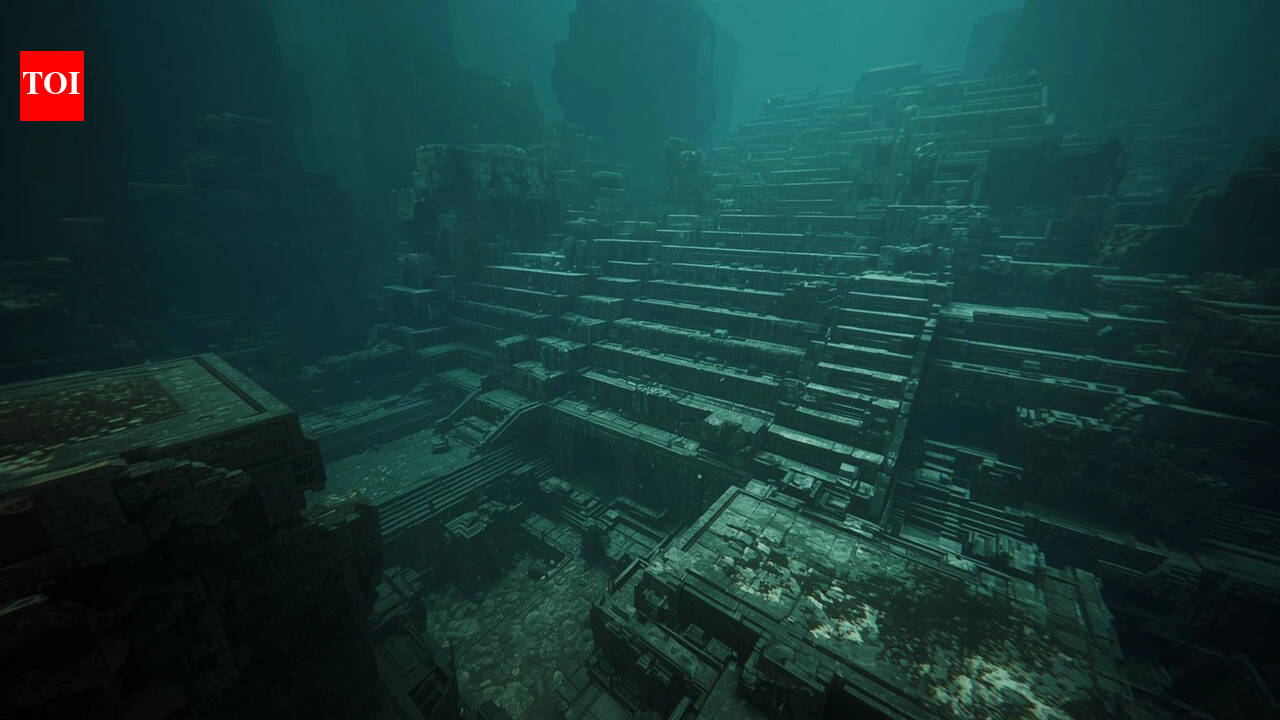
The discovery of an **underwater structure** near **Japan**'s Yonaguni Island in **1986** has left scientists puzzled for nearly four decades. The structure, located in the waters off the island, has been the subject of much speculation and debate. According to reports, the structure is a large, monolithic formation that has been compared to the ancient city of **Atlantis**. While some believe it to be a natural formation, others think it could be the remains of an ancient civilization. For more information, see [[yonaguni-island|Yonaguni Island]] and [[atlantis|Atlantis]]. The mystery surrounding the structure has sparked a range of theories, from natural geological formations to the remnants of an ancient city. As researchers continue to study the structure, they are also exploring the possibility of it being a **man-made** creation. This has led to discussions about the potential implications of such a discovery, including the possibility of **lost civilizations** and the impact on our understanding of **history**. See [[lost-civilizations|Lost Civilizations]] and [[history|History]] for more information.
Key Takeaways
- The underwater structure near Japan was discovered in 1986
- The structure is located in the waters off Yonaguni Island, Japan
- The discovery has sparked a range of theories and debates
- Further research is needed to determine the origins and significance of the structure
- The discovery has significant implications for our understanding of history and archaeology
Balanced Perspective
The underwater structure near Japan is a fascinating discovery that has sparked a range of theories and debates. While some believe it to be a natural formation, others think it could be the remains of an ancient civilization. Further research is needed to determine the origins and significance of the structure, and to separate fact from speculation. See [[scientific-research|Scientific Research]] for more information.
Optimistic View
The discovery of the underwater structure near Japan could be a groundbreaking find, potentially revealing a **lost city** or ancient civilization. This could significantly impact our understanding of **history** and **archaeology**, and could lead to new discoveries and a greater understanding of the past. As researchers continue to study the structure, they may uncover new evidence that sheds light on the origins of the structure and its significance. See [[archaeology|Archaeology]] for more information.
Critical View
The discovery of the underwater structure near Japan has been met with skepticism by some, who believe that it is likely a natural formation rather than a man-made creation. They argue that the structure's shape and composition are consistent with natural geological processes, and that there is currently no conclusive evidence to support the idea that it is a lost city or ancient civilization. See [[skepticism|Skepticism]] for more information.
Source
Originally reported by The Times of India